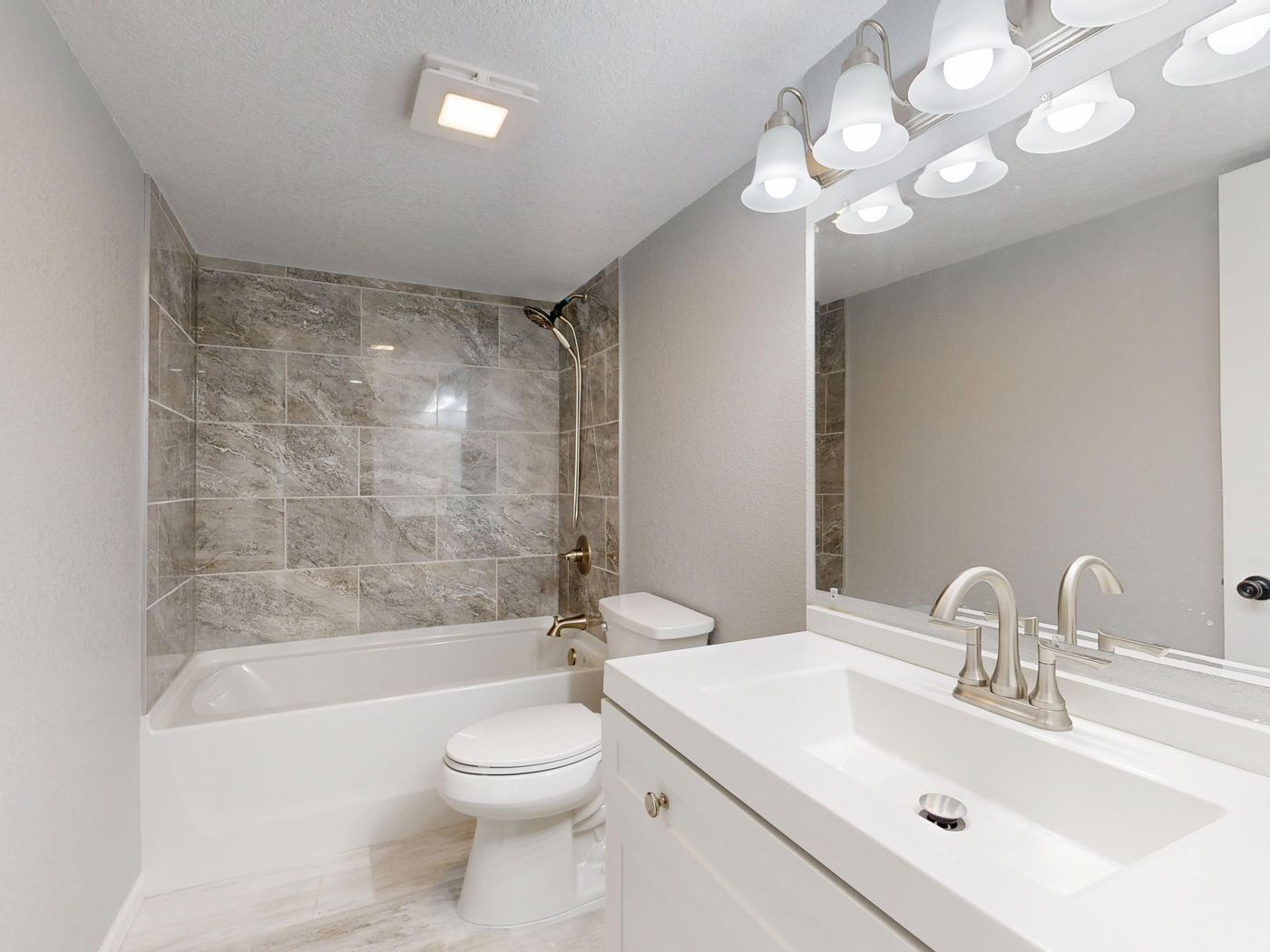
Choosing the right vanity can make a significant difference to your bathroom’s appearance, storage and everyday functionality. If you are planning a bathroom renovation, you may be wondering whether a floating vanity or a freestanding vanity is the better choice. Both styles offer distinct advantages, but the right option depends on your bathroom size, storage needs, budget and preferred design.
Understanding the differences between these two popular vanity styles can help you create a bathroom that looks modern, feels comfortable and suits your lifestyle.
What Is the Difference Between Floating and Freestanding Vanities?
A floating vanity is attached to the wall, leaving open space underneath the cabinet. This creates a sleek, contemporary appearance and makes the bathroom floor more visible. Floating vanities are popular in modern bathroom designs because they create a clean, minimalist finish.
A freestanding vanity sits directly on the floor, supported by a cabinet base or legs. It offers a more traditional appearance and can provide generous enclosed storage for toiletries, towels and everyday bathroom essentials.
Both options are available in different sizes, colours, materials and finishes, making it possible to match your vanity to your overall bathroom design.
Floating Vanity
A wall-mounted cabinet that leaves open floor space underneath.
- Creates a sleek, contemporary appearance
- Makes floor cleaning easier
- Can help compact bathrooms feel more open
- Requires suitable wall support and installation
Freestanding Vanity
A floor-supported cabinet offering a more substantial look.
- Often provides generous enclosed storage
- Suits traditional and contemporary interiors
- Offers a range of cabinet and leg designs
- May require more cleaning around the base
Are Floating Vanities Better for Small Bathrooms?
Floating vanities are often a practical choice for smaller bathrooms because the visible floor area creates a greater sense of openness. Their wall-mounted design can make compact spaces appear less crowded without sacrificing essential functionality.
Another advantage is easier floor cleaning. You can sweep and mop underneath the vanity without working around a cabinet base.
However, floating vanities require secure wall support and suitable installation. The wall structure, plumbing connections and combined weight of the cabinet and benchtop should be assessed before installation.
If your bathroom has limited floor space, a compact floating vanity with integrated drawers can provide a balance between modern styling and practical storage.
Small Bathroom Tip
Measure the vanity width and depth, door swing and walking clearance before purchasing. A compact design that fits the layout comfortably is more useful than a larger cabinet that restricts movement.
Do Freestanding Vanities Offer More Storage?
Freestanding vanities are an excellent option for households that need additional storage. Their floor-to-countertop cabinet design often provides more enclosed space for cleaning products, spare towels, toiletries and other essentials.
Many models feature drawers, cupboards or shelving to help keep bathroom surfaces organised. This makes them particularly suitable for family bathrooms where storage is a priority.
Although floating vanities can also offer spacious drawers, their design may limit the amount of enclosed storage available compared with larger freestanding models.
When choosing between the two, consider your daily routine and how much storage you need before prioritising appearance alone.
Which Vanity Is Easier to Clean and Maintain?
Floating vanities generally make floor cleaning easier because there is no cabinet base resting directly on the floor. This can be especially useful in bathrooms where dust, hair and moisture collect around fixtures.
Freestanding vanities may require additional attention around their base and edges. However, they remain a practical option when installed correctly and maintained regularly.
For either style, choose moisture-resistant cabinetry, durable benchtops and quality hardware. Proper sealing around the basin and benchtop also helps protect against water damage and extends the life of your vanity.
Floating vs Freestanding Vanities: Quick Comparison
Compare the main differences to help narrow down the style that best suits your bathroom and household requirements.
Modern and minimalist
Traditional or contemporary
Usually easier underneath
May require cleaning around the base
Depends on cabinet and drawer design
Often offers more enclosed cabinet space
Needs appropriate wall support
Supported by the floor
Can help compact rooms feel more open
Works well where cabinet storage is a priority
Which Vanity Is Best for Your Bathroom Renovation?
The best choice depends on your priorities, bathroom layout and budget.
- Choose a floating vanity if you prefer contemporary styling, want easier floor cleaning or need to create a more spacious appearance in a smaller bathroom.
- Choose a freestanding vanity if you need generous enclosed storage, prefer traditional cabinetry or want a floor-supported design.
- Consider your budget by comparing the cabinet price, installation requirements, plumbing adjustments and benchtop materials.
Before making a decision, measure the available space and consider door clearance, walking room, plumbing locations and access to storage. Coordinating the vanity with your tiles, mirrors, tapware and lighting can also help create a cohesive design.
How Can You Choose the Right Vanity for Your Bathroom?
Start by identifying what matters most to your household: storage, cleaning convenience, visual appeal or maximising limited space. Then compare the available dimensions, finishes and installation requirements to find a design that meets your needs.
If you are planning a complete bathroom renovation, working with experienced renovation professionals can help you coordinate the vanity with the rest of the space, from the layout and tiling to fixtures and finishes.
Decoration Renovations can help you plan a bathroom upgrade that balances practical requirements with your preferred style. Discussing your ideas and budget before work begins can help you make informed decisions and achieve a more consistent finish.
Ultimately, floating vanities are ideal for homeowners seeking a modern, open appearance, while freestanding vanities are well suited to those who value traditional styling and enclosed storage. Choose the option that complements your bathroom layout and daily needs to create a functional, attractive space for years to come.
Frequently Asked Questions
Are floating vanities better for small bathrooms?
Floating vanities can make small bathrooms feel more open because they expose more floor area and make cleaning underneath easier. Check wall support, plumbing and cabinet dimensions before installation.
Do freestanding vanities offer more storage?
Freestanding vanities often provide generous enclosed storage through cabinets, drawers and shelves. Actual capacity depends on the size and configuration of the model.
Which bathroom vanity is easier to clean?
Floating vanities generally make floor cleaning easier because there is open space underneath. Freestanding vanities may require more attention around their base and floor edges.
How do I choose between a floating and freestanding vanity?
Consider your bathroom dimensions, storage needs, preferred style, budget, plumbing layout and installation requirements. Check that your chosen vanity suits both your space and everyday needs.
Planning a Bathroom Upgrade?
Make informed choices about your vanity, storage, fixtures and finishes before starting your renovation.
Discuss Your Renovation